


PRODUCT
HOST PRODUCT


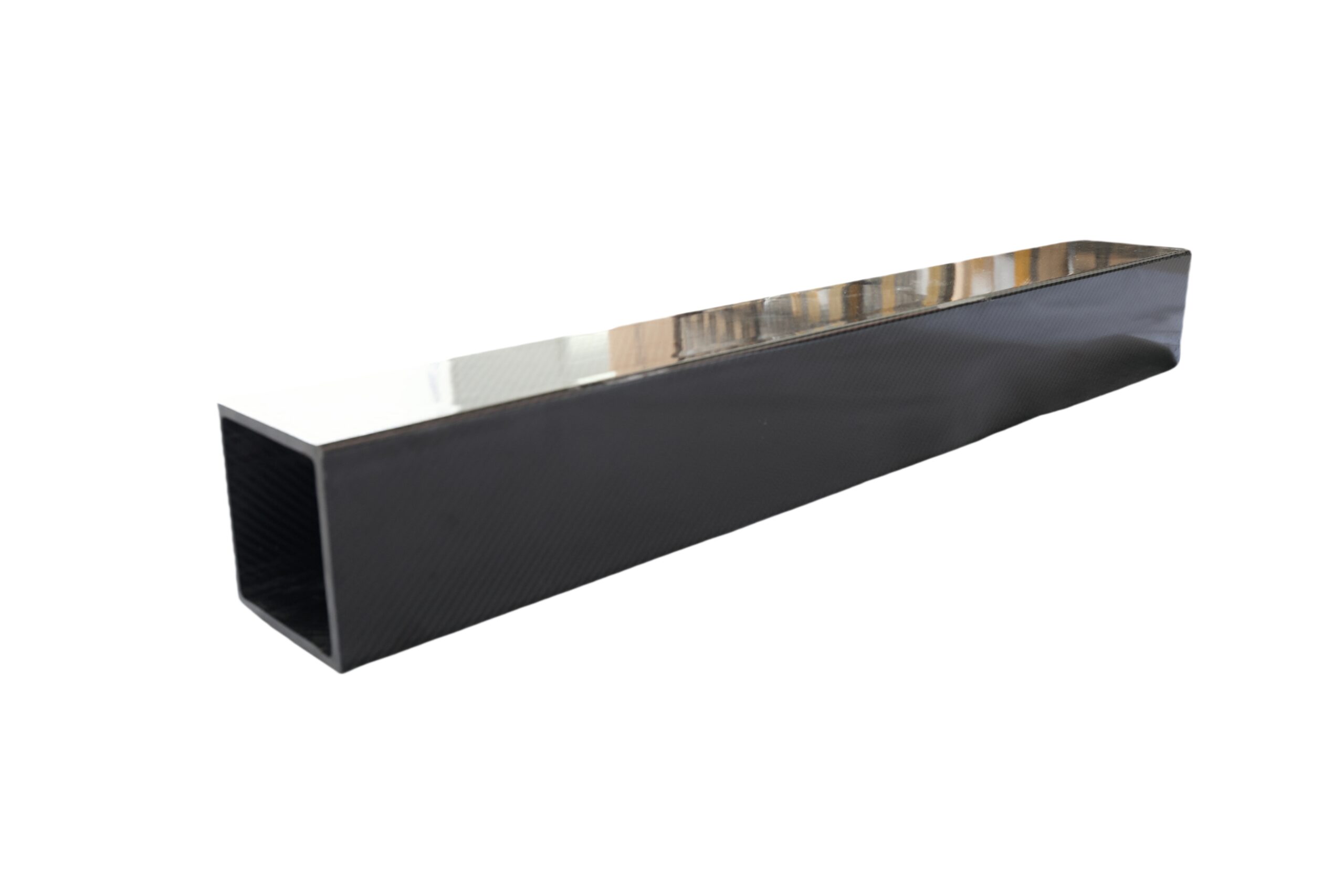


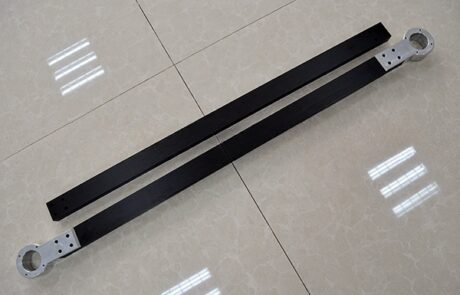
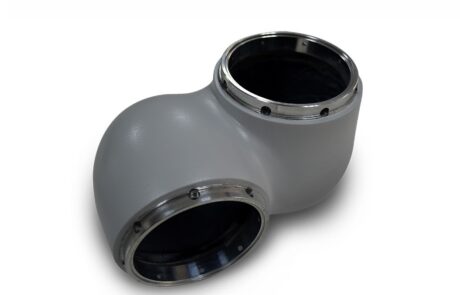
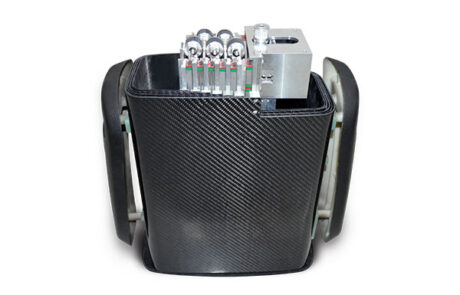
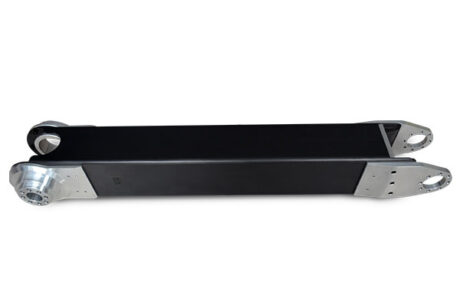


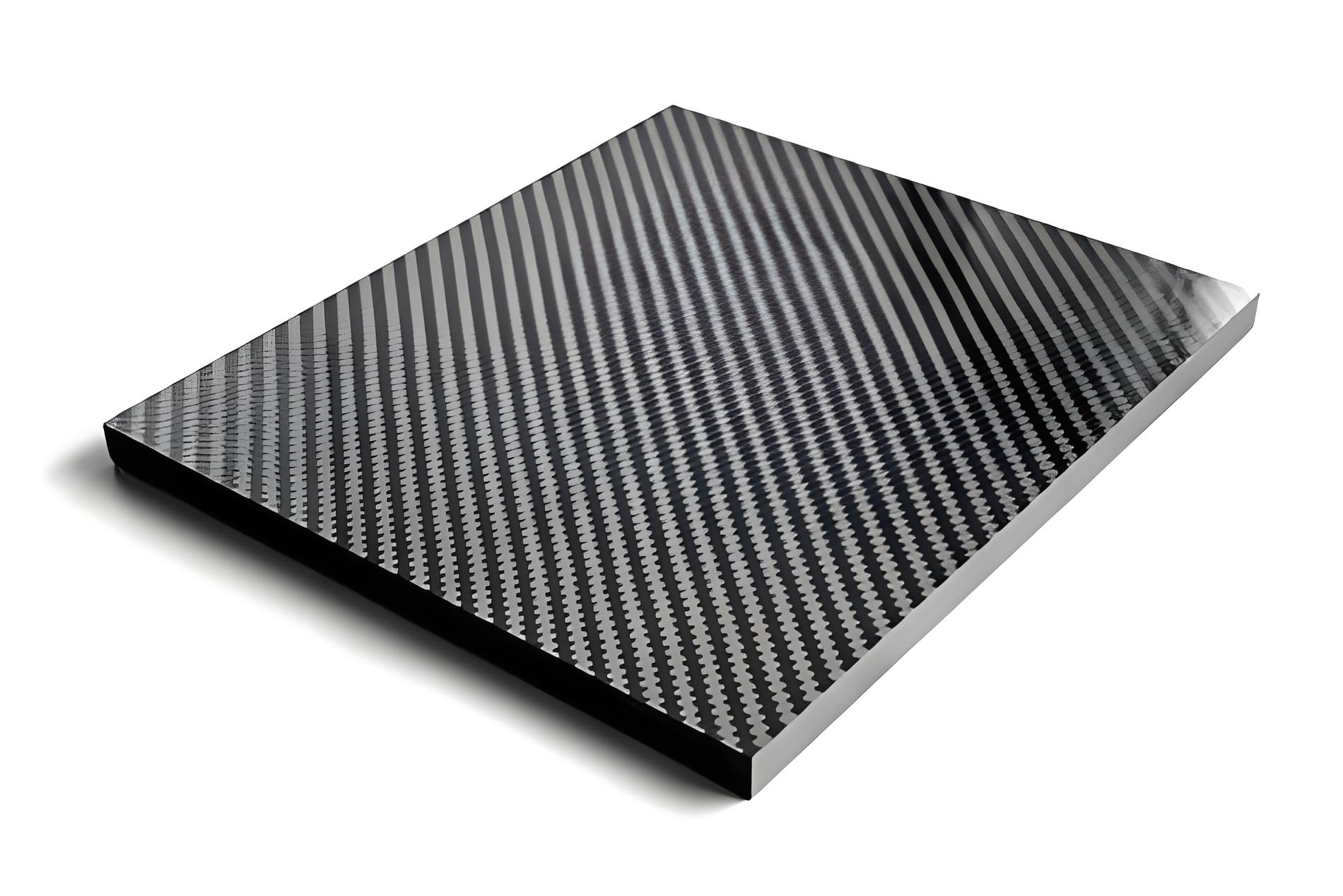


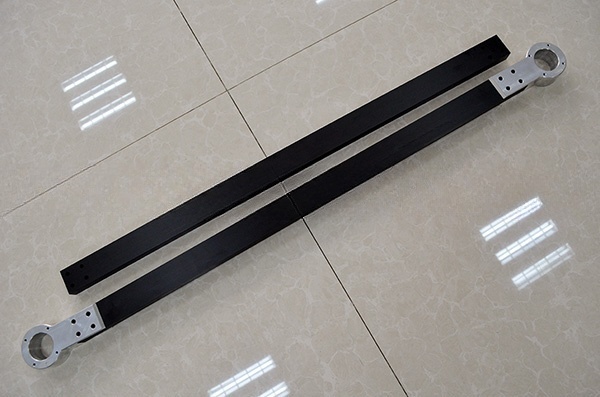
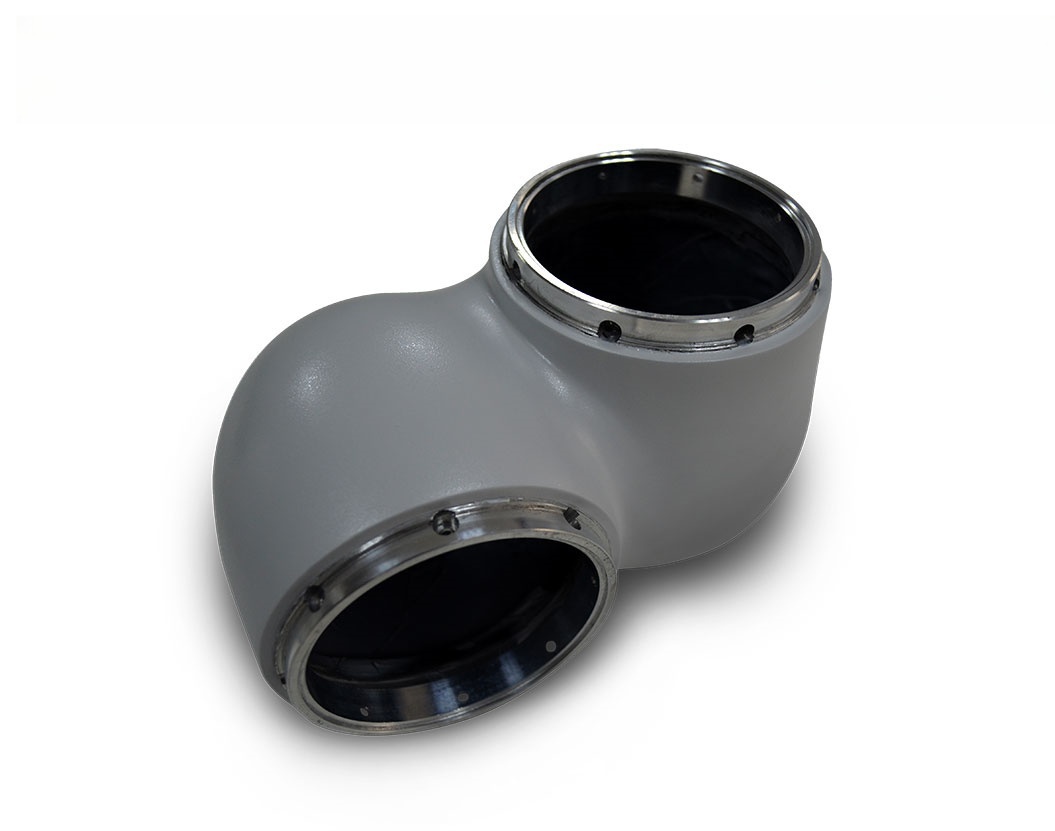
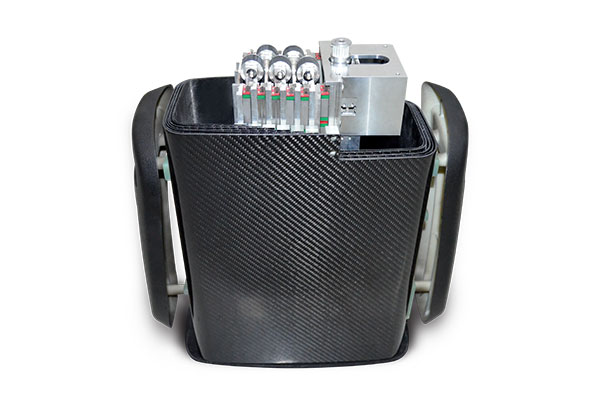
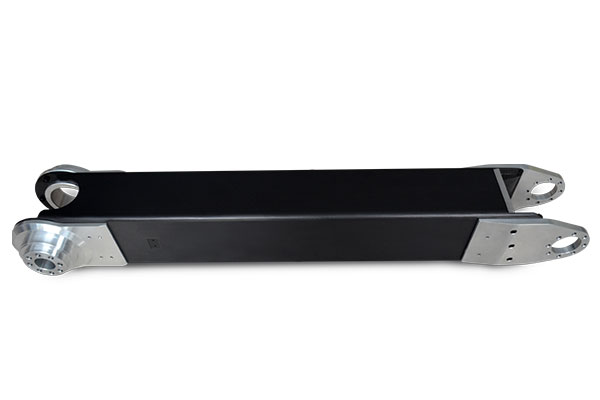
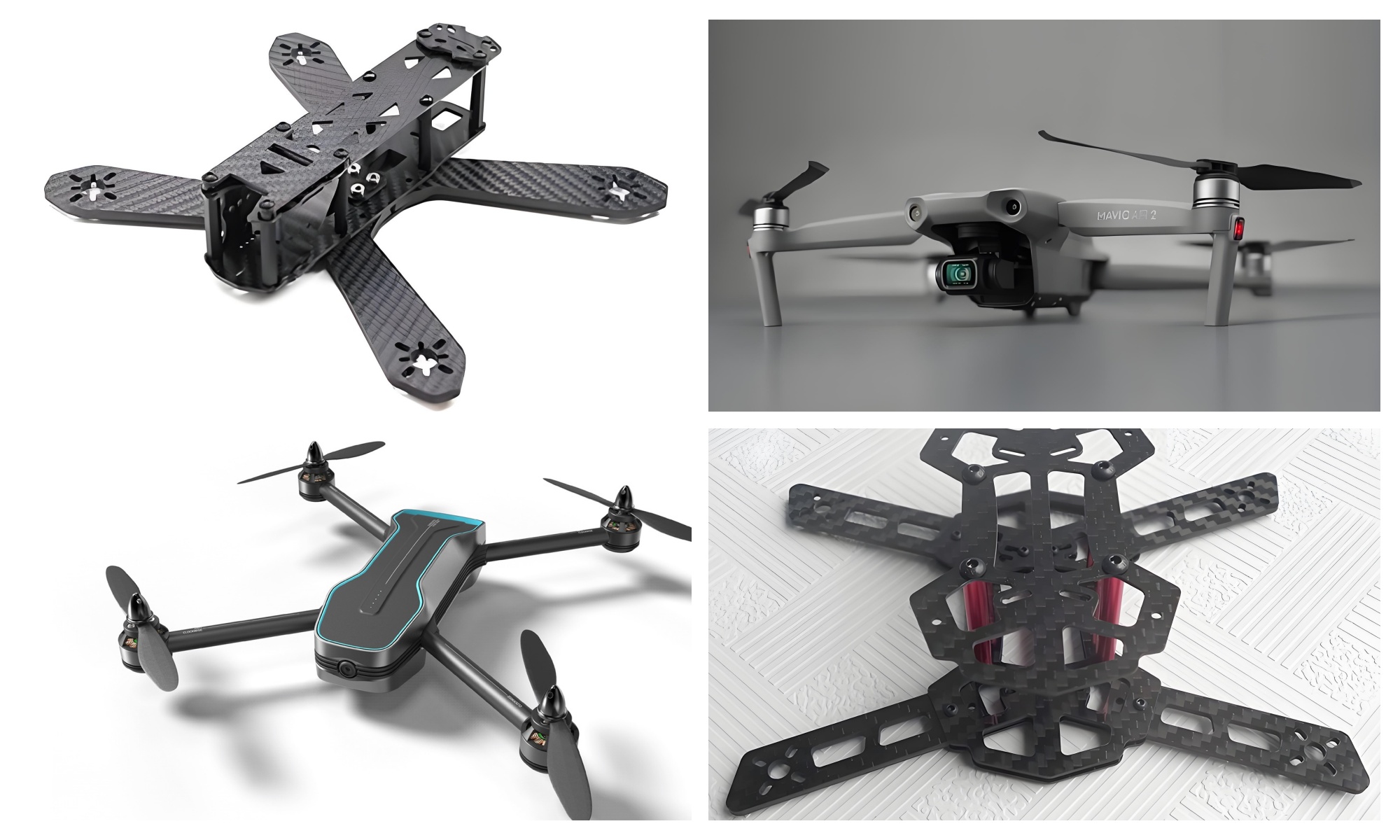
Shengjie Company, based on OEM/ODM principles, has nearly a decade of experience in the production and development of unmanned aerial vehicle (UAV) components. We are proud to maintain strong cooperative relationships with over 20 UAV companies.
The remarkable properties of carbon fiber composite materials—such as high strength, lightweight nature, corrosion resistance, plasticity, and natural lightning protection—make them ideal for manufacturing UAV components.
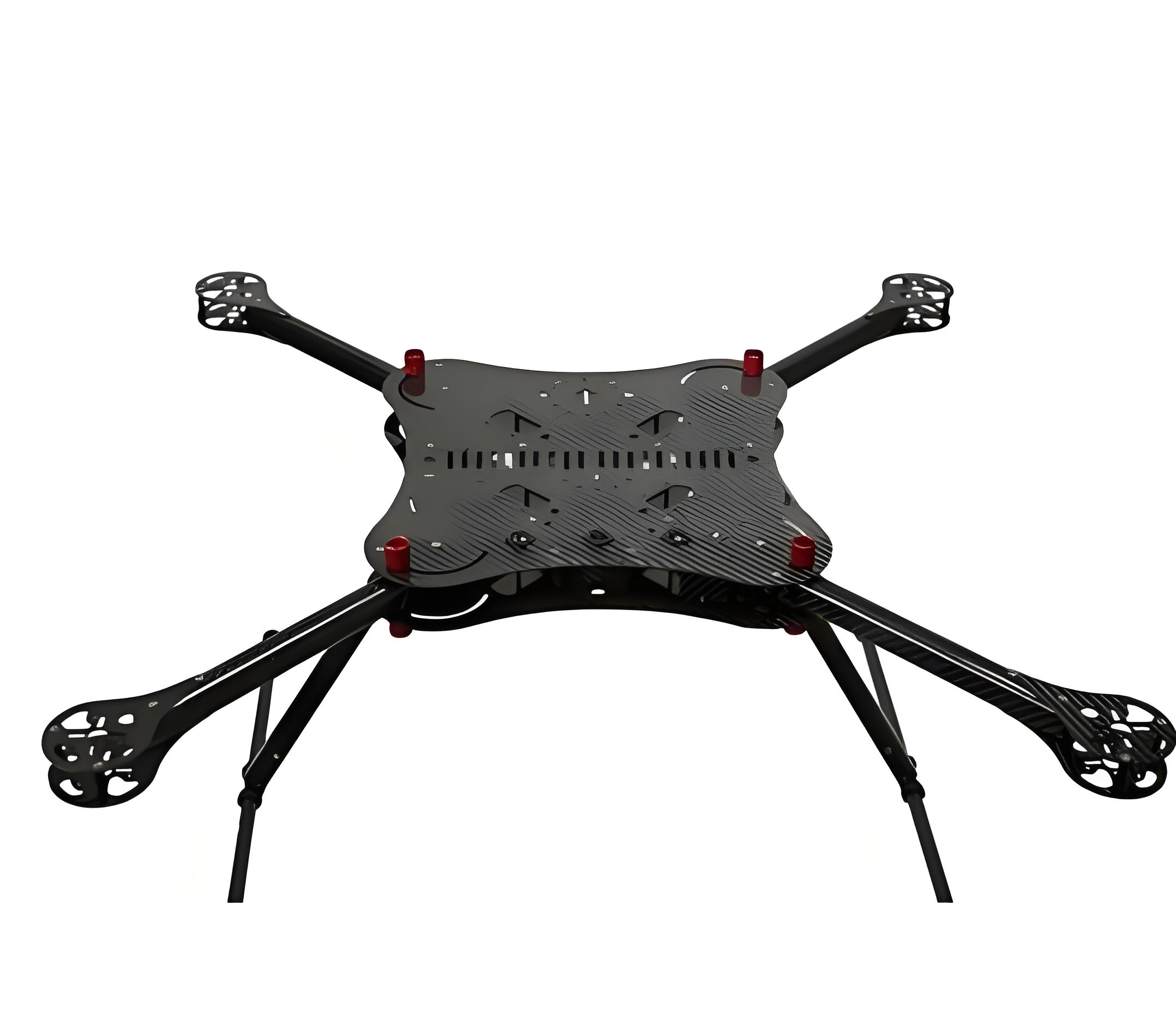
I. Body:
Advantages: The fuselage serves as the fundamental structure of the unmanned aerial vehicle (UAV), supporting all other components. By utilizing carbon fiber prepreg for its construction, we can significantly reduce the overall weight of the UAV, which enhances its endurance and flight performance. Additionally, carbon fiber prepregs offer exceptional strength and rigidity that provide robust structural integrity for the fuselage. This ensures that the UAV can withstand various stresses and loads during flight while improving wind resistance and stability.
Application method: Typically, processes such as compression molding are employed to shape carbon fiber pre-impregnated materials according to design specifications before assembly through methods like gluing or riveting.
II. Wings and Tail Wings:
Advantages: The wings and tail wings play crucial roles in generating lift and controlling flight attitude; thus they require materials with outstanding strength, rigidity, and lightweight characteristics. Carbon fiber prepregs possess excellent mechanical properties that meet these demanding requirements during flight while also reducing overall weight to enhance efficiency and control performance.
Application method: Generally speaking, carbon fiber prepregs are cut into specific shapes based on wing designs before being processed using hot pressing techniques to achieve optimal aerodynamic form along with structural strength.
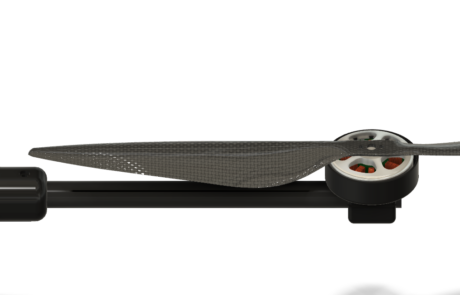
III. Propellers:
Advantages: Propellers endure significant centrifugal force and aerodynamic stress during rotation; therefore they necessitate materials exhibiting high strength and rigidity. The superior qualities of carbon fiber prepregs ensure propellers remain intact without deformation or breakage at high speeds while their lightweight nature reduces inertia for improved efficiency—ultimately enhancing UAV flight performance.
Application method: Using equipment such as hot-pressing forming machines specifically designed for carbon fibers allows us to create propeller shapes from these prepregs followed by fine grinding adjustments ensuring quality standards are met throughout production stages.
IV. Landing Gear:
Advantages: Landing gear must absorb impacts from takeoff or landing maneuvers requiring exceptional material toughness alongside strength capabilities due to vibrations experienced during operation periods too! Carbon Fiber Prepregs excel here providing both impact resistance & durability against varying loads encountered throughout usage cycles—all whilst contributing towards lowering total aircraft mass!
Application method: Through processes including high-temperature molding among others we craft landing gear structures outta our chosen composites then assemble & calibrate accordingly guaranteeing reliable functionality when it matters most!