


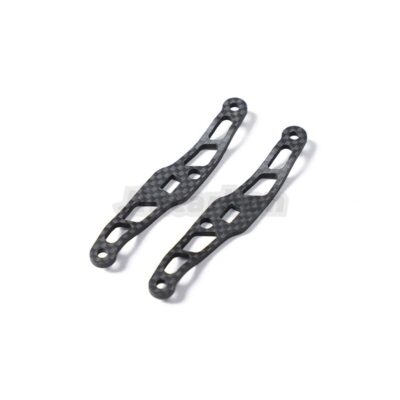
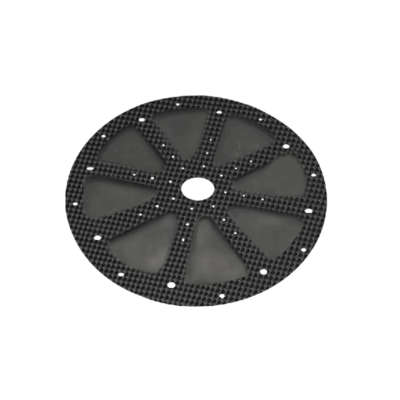
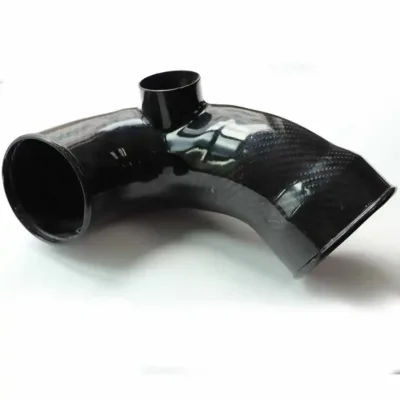
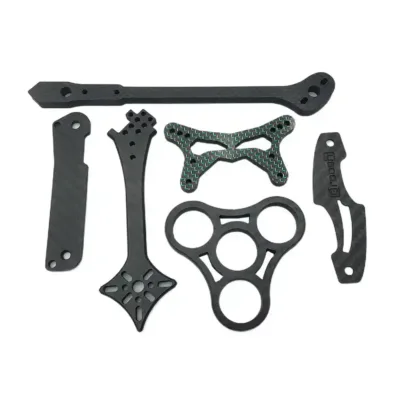
In the high-end manufacturing sector, carbon fiber special-shaped components have gained widespread appreciation across industries such as aerospace, rail transit, and new energy—thanks to their exceptional lightweight design and outstanding strength. As a leading domestic manufacturer in this field, Shandong Shengjie has built strong expertise in research and development, production, and real-world application through years of technological advancement and continuous innovation. We are committed to delivering smart, cost-effective solutions that support our global partners in achieving higher performance and efficiency.
Key Features for International Trade:
Precision Engineering: High-performance carbon fiber components manufactured to exacting standards with tight tolerances
Lightweight & Durable: Exceptional strength-to-weight ratio that enhances operational efficiency and product longevity
Customized Solutions: Thoughtfully tailored designs to meet the unique needs of aerospace, automotive, and industrial applications
Cost-Effective: High-quality manufacturing paired with competitive pricing, ensuring great value without compromise
Typical indicators
| Parameter Category | Performance Indicator | Test Standard | Typical Value Range | Application Description |
| Mechanical Properties | Tensile Strength | ASTM D3039 | 3500-5500 MPa | Aerospace load-bearing structural parts |
| Flexural Modulus | ISO 14125 | 230-280 GPa | High stiffness support components | |
| Interlaminar Shear Strength | ASTM D2344 | 60-120 MPa | Composite material interlaminar bonding performance | |
| Physical Characteristics | Density | ISO 1183 | 1.55-1.85 g/cm³ | Lightweight design core indicator |
| Coefficient of Thermal Expansion (0-100℃) | ASTM E831 | -0.5~+1.5×10⁻⁶/℃ | Precision instrument temperature stability | |
| Environmental Tolerance | Operating Temperature Range | MIL-STD-810G | -196℃~300℃ | Extreme environment applications |
| Salt Spray Resistance (5% NaCl solution) | ASTM B117 | ≥1000 hours no corrosion | Marine engineering anti-corrosion requirements | |
| Damp Heat Resistance (85℃/85%RH) | IEC 60068-2-30 | ≥1000 hours performance retention ≥90% | Tropical region equipment reliability | |
| Processing Performance | Surface Roughness (Ra) | ISO 4287 | 0.4-1.6 μm | Optical component surface requirements |
| Dimensional Tolerance (100mm reference) | ISO 2768-mK | ±0.05-±0.2 mm | Precision assembly requirements | |
| Drilling Edge Strength Retention Rate | Enterprise Standard | ≥85% | Post-processing stability | |
| Special Properties | Electromagnetic Shielding Effectiveness (1GHz) | ASTM D4935 | 30-60 dB | Electronic equipment protection |
| X-ray Transmittance (1mm thickness) | ASTM E94 | ≥85% | Medical imaging equipment components | |
| Flame Retardancy (Vertical Burning) | UL94 | V-0 Level | Rail transit fire protection requirements |
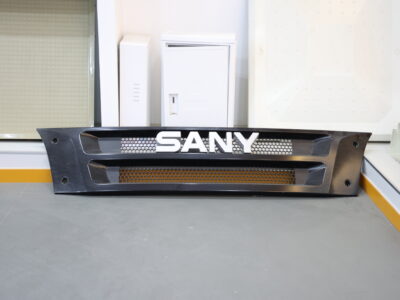
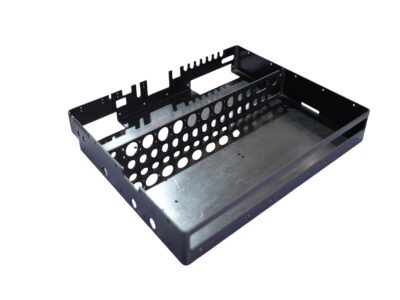
Product Classification of Special-Shaped Components
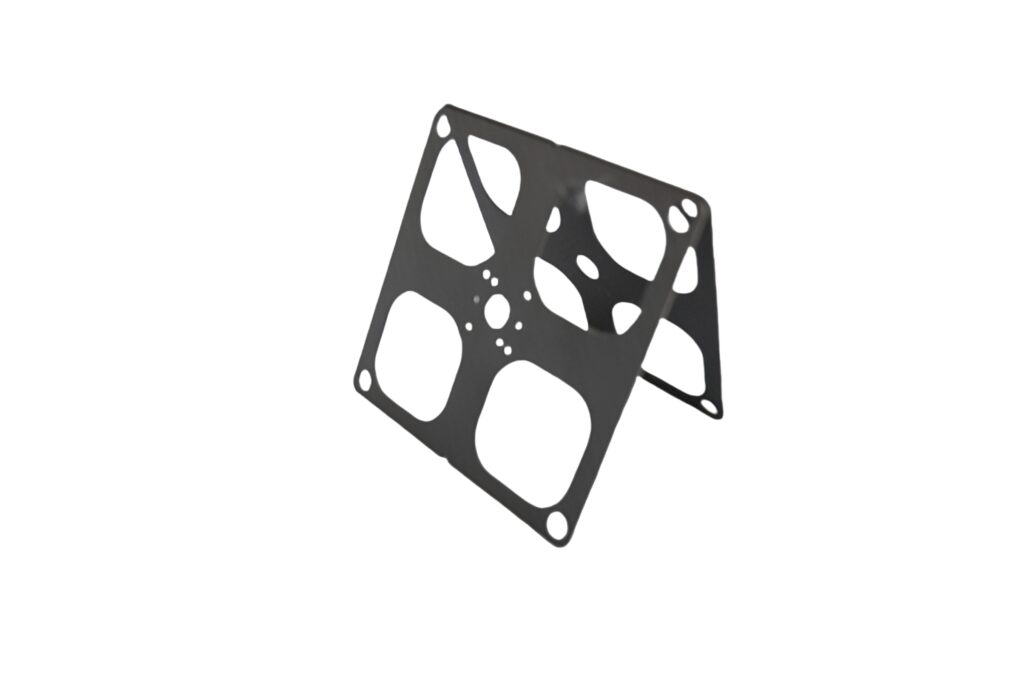
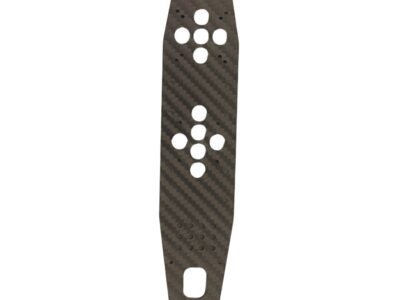
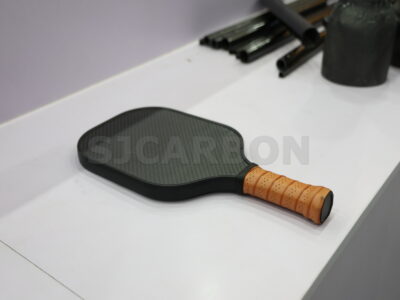
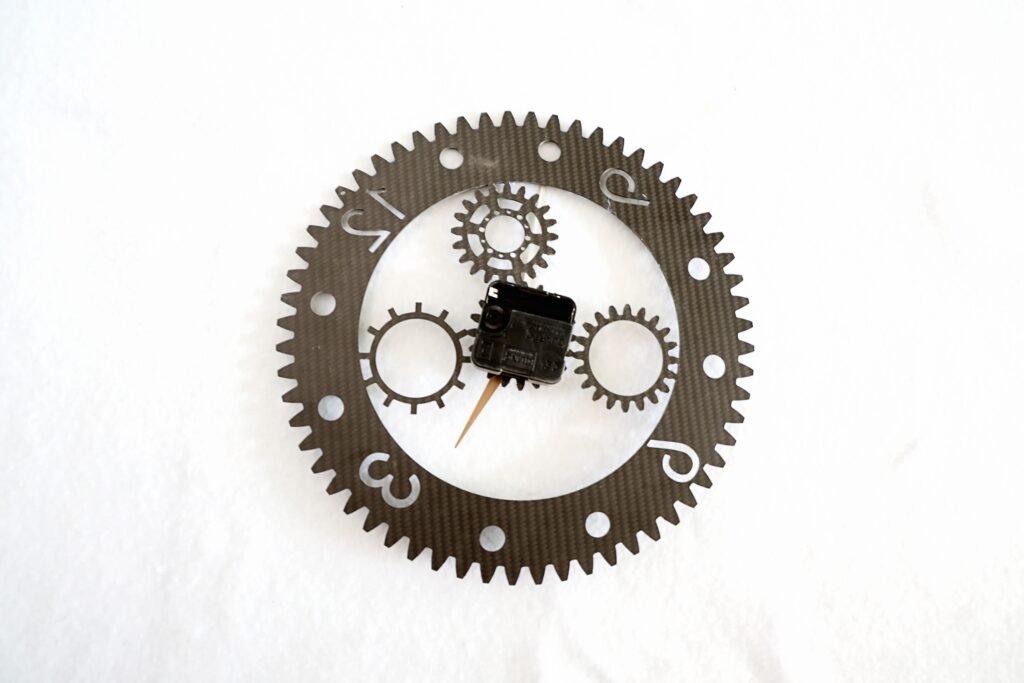
1.Planar Special-Shaped Components
Components with irregular shapes in two-dimensional planes—often featuring thin-walled designs—are widely used in planar structural applications and decorative elements. These versatile parts combine functional performance with aesthetic appeal, making them a popular choice across industries.
Processing: The manufacturing process is efficient and well-suited for mass production, helping to maintain consistency and scalability. Special attention is given to controlling surface flatness to prevent warping, ensuring each piece meets high-quality standards.
Applications: Commonly found in electronic device casings such as smartphone back panels and laptop lids, architectural装饰 elements like custom tiles and artistic glass, as well as automotive interiors including dashboard panels and door trim strips—where both precision and visual elegance matter.
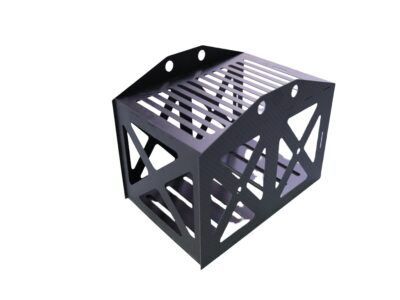
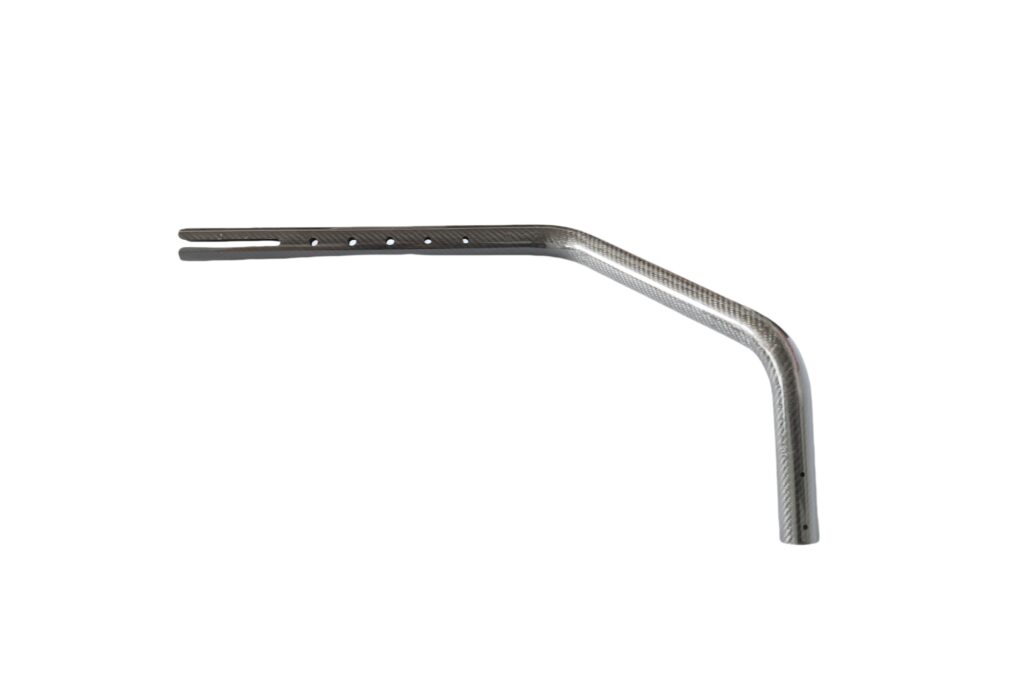
2.3D Special-Shaped Components
Components with complex three-dimensional geometries—often shaped as polyhedrons or smooth curved forms—bring both engineering precision and design flexibility to advanced applications. These intricate structures are carefully crafted to meet the demanding needs of high-performance industries.
Processing: Manufacturing these parts requires precise dimensional control and tight tolerances, achieved through multi-stage processes such as CNC machining and 3D printing. Each step is closely monitored to ensure accuracy, consistency, and reliability in every final product.
Applications: Widely used in aerospace for critical components like aircraft wing ribs and satellite brackets, in industrial machinery for custom gears and bearing housings, and in the medical field for surgical instruments and implant scaffolds—where safety, strength, and precision make all the difference.
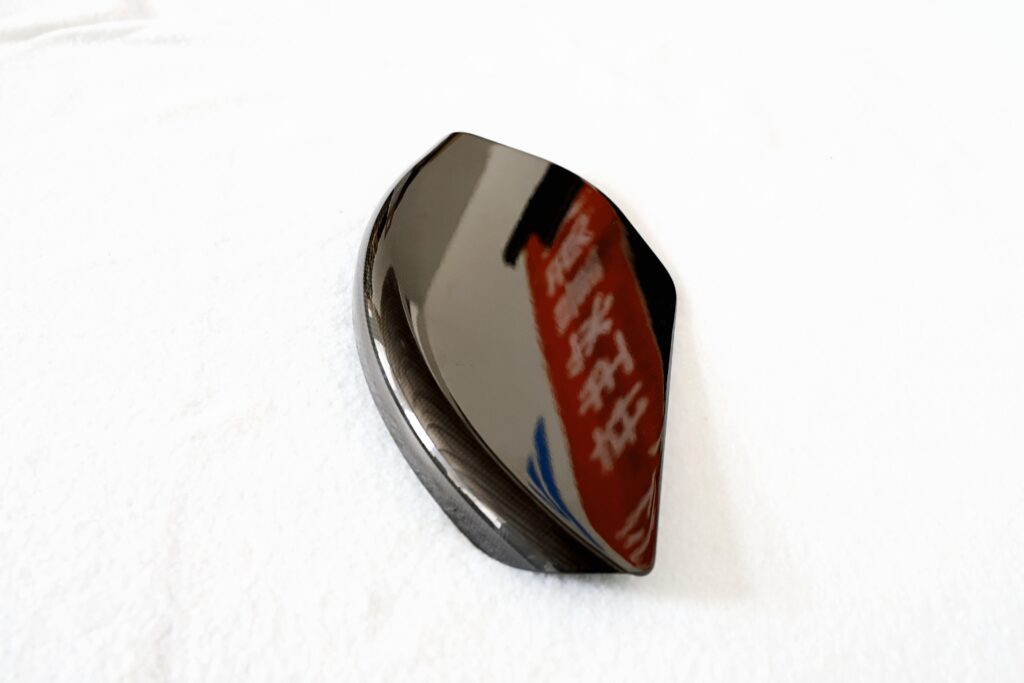
3.Curved-Surface Special-Shaped Components
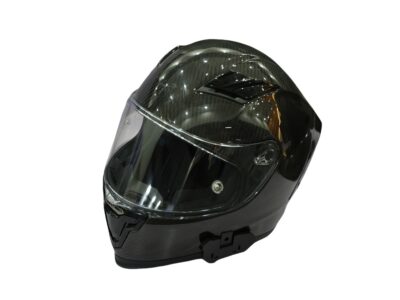
Parts with continuous or segmented curved surfaces—often blending flat and three-dimensional elements—are designed to combine smooth aesthetics with functional performance. These components are ideal for applications where form and function go hand in hand.
Processing: Creating these parts requires high-precision molds or advanced flexible forming technologies. Special attention is paid to achieving excellent surface smoothness and consistent curvature, ensuring a flawless finish and reliable performance in real-world use.
Applications: Commonly used in automotive body panels such as hoods and doors, sports equipment including golf clubs and skis, and consumer electronics like smartwatch cases and earbud housings—where elegant design meets everyday durability.
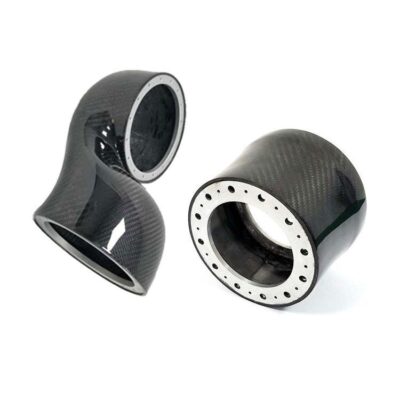
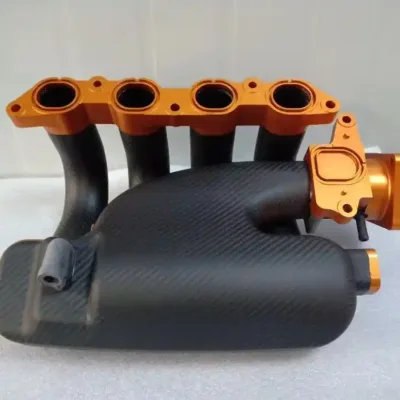
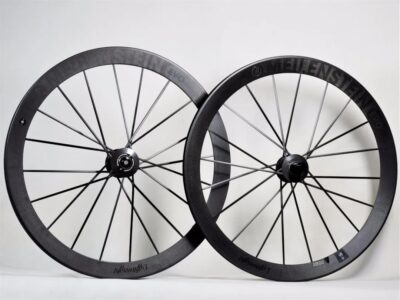
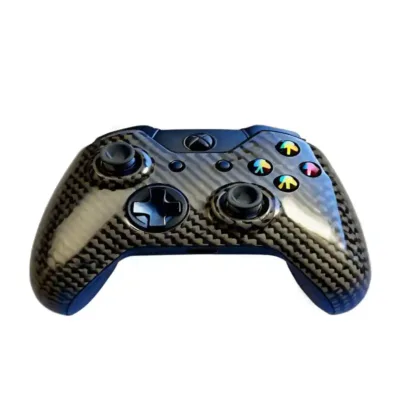
4.Composite Special-Shaped Components
Hybrid structures that combine two or more materials or substructures—such as inserts, sandwich panels, and other integrated designs—offer the best of multiple worlds by merging the unique advantages of each component. These smart combinations are engineered to deliver enhanced performance, durability, and functionality across demanding applications.
Processing: Manufacturing these hybrid parts involves advanced techniques such as adhesive bonding, welding, and co-curing, requiring precision and expertise at every step. By thoughtfully integrating different materials, we can combine key properties like strength, lightweight design, and thermal conductivity—creating solutions that are greater than the sum of their parts.
Applications: Widely used in electric vehicle battery enclosures (metal frame + carbon fiber panels), construction beams (steel-concrete composites), and high-precision optical equipment such as lens mounts and laser housings—where reliability, structural efficiency, and performance excellence are essential.
5.Micro-Scale Special-Shaped Components
Miniaturized parts—measuring at the millimeter scale or smaller—are essential components in precision instruments and microelectronics. These tiny yet highly engineered elements play a critical role in enabling advanced functionality where space is limited but performance matters most.
Processing: Manufactured with micron-level accuracy using advanced techniques such as photolithography and etching, these components are carefully designed to balance structural strength with practical manufacturability. Every detail is precisely controlled to ensure reliability and consistency in high-performance environments.
Applications: Commonly found in life-enhancing medical devices like minimally invasive surgical tools and cardiac stents, semiconductor manufacturing equipment including wafer carriers and sensor probes, as well as fine horology for precision gears and balance wheels—where exceptional craftsmanship meets cutting-edge technology.
6.Deformable Special-Shaped Components
Components with adaptive geometry can respond intelligently to external stimuli such as temperature and pressure changes—enabling them to adjust their shape or function in real time. These responsive designs open up new possibilities in dynamic and high-performance applications.
Processing: Built using smart materials like shape-memory alloys, these parts require thoughtful, stability-focused engineering to ensure reliable and repeatable performance. Each design is carefully optimized to maintain structural integrity while delivering precise responsiveness.
Applications: Ideal for adaptive structures such as morphing aircraft wings, medical implants including expandable stents that adapt inside the body, and robotics systems featuring flexible actuators—where innovation meets intelligent functionality.
7.Contact Us