


At Shengjie Company, we bring nearly a decade of dedicated experience in the design and production of unmanned aerial vehicle (UAV) components, guided by our commitment to OEM and ODM principles. We are proud to have built strong, lasting partnerships with more than 20 UAV companies, working together to bring innovative ideas to life.
Thanks to their outstanding qualities—such as high strength, lightweight construction, corrosion resistance, design flexibility, and natural lightning protection—carbon fiber composite materials have become a preferred choice for manufacturing UAV components. These materials not only meet demanding performance requirements but also support smarter, safer, and more efficient flight solutions.
Application field
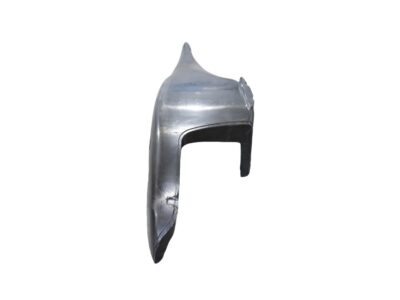
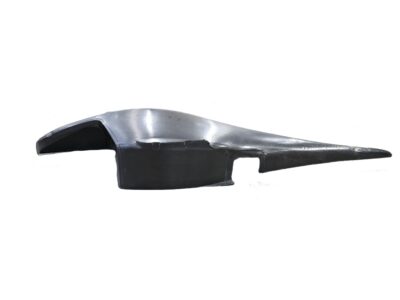
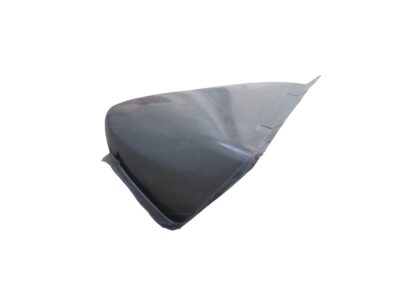
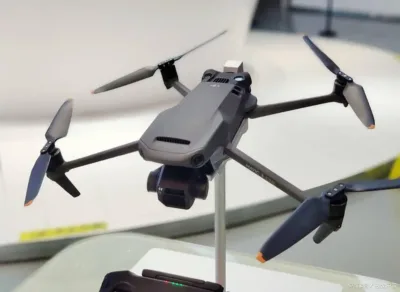
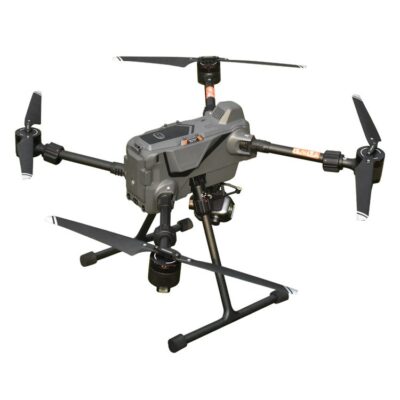
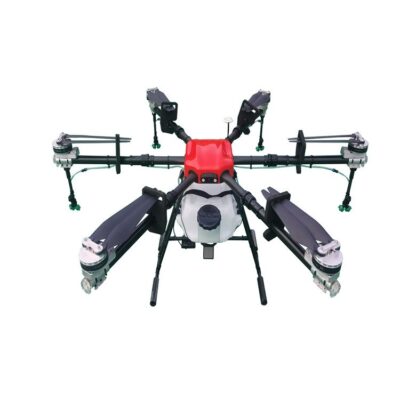
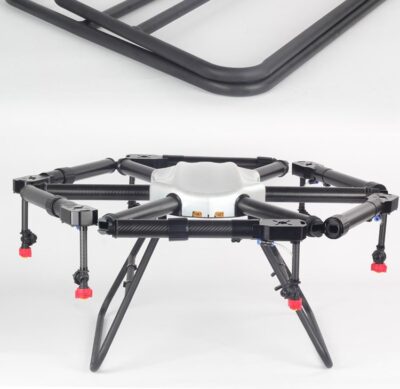
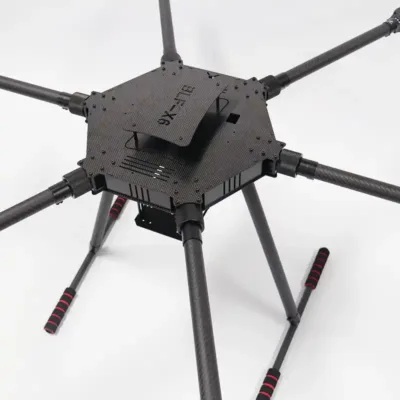
1.Body:
Advantages: The fuselage is the backbone of an unmanned aerial vehicle (UAV), providing essential support for all other components. By crafting it with carbon fiber prepreg, we’re able to significantly reduce the UAV’s overall weight—helping to extend flight endurance and enhance performance in the air. At the same time, carbon fiber prepregs deliver outstanding strength and rigidity, ensuring excellent structural integrity. This means the UAV can confidently handle various stresses and loads during flight, while also enjoying improved wind resistance and stability for a smoother, more reliable experience.
Application method: In practice, carbon fiber pre-impregnated materials are carefully shaped using precise methods like compression molding, tailored to meet exact design specifications. Once formed, the parts are seamlessly assembled through techniques such as bonding or riveting—ensuring a high-quality finish and strong, durable connections every step of the way.
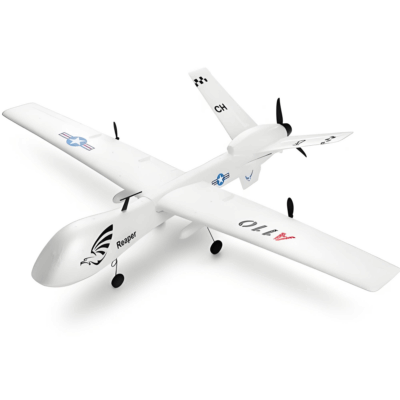
2.Wings and Tail Wings:
Advantages: The wings and tail wings are essential for generating lift and maintaining stable flight control, so they require materials that combine outstanding strength, rigidity, and lightweight performance. Carbon fiber prepregs deliver exactly that—offering excellent mechanical properties that not only meet the demanding needs of flight but also help reduce overall weight. This contributes to improved energy efficiency, more responsive handling, and a smoother flying experience.
Application method: In practice, carbon fiber prepregs are carefully cut to match precise wing designs and then shaped using hot pressing techniques. This process ensures both optimal aerodynamic form and reliable structural strength, resulting in high-performance components built with precision and care.
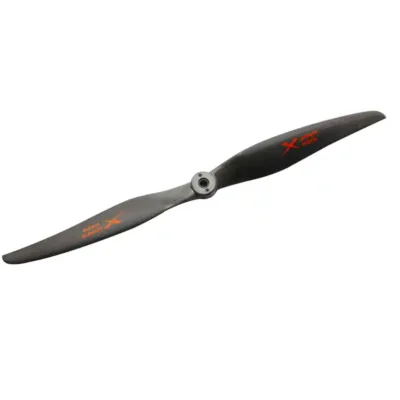
3.Propellers:
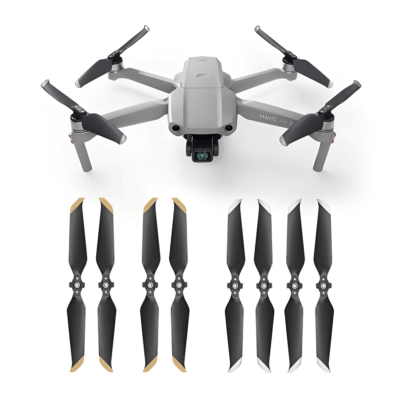
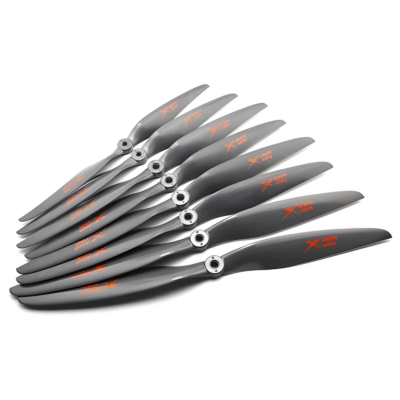
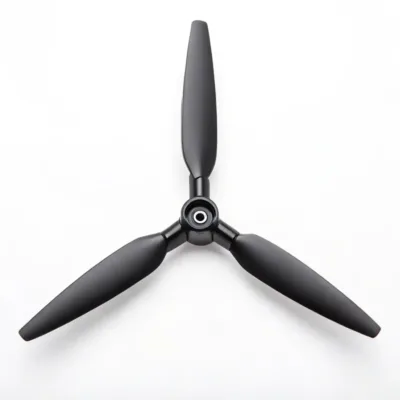
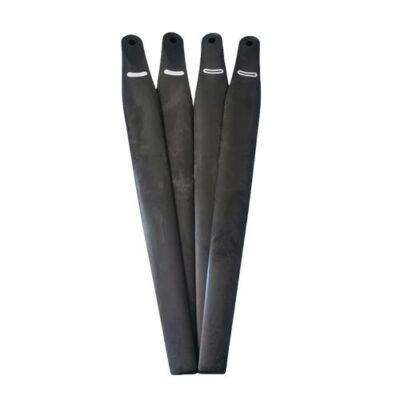
Advantages: Propellers experience strong centrifugal forces and aerodynamic stress during rotation, so they require materials that offer high strength and rigidity to perform reliably. Carbon fiber prepregs meet these demands with confidence—delivering exceptional strength to keep propellers stable and resistant to deformation or damage, even at high speeds. At the same time, their lightweight nature helps reduce rotational inertia, improving energy efficiency and responsiveness. Together, these benefits contribute to smoother, more powerful UAV flight performance.
Application method: Using specialized equipment like hot-pressing forming machines designed specifically for carbon fiber materials, we shape the prepregs into precise propeller forms with care and accuracy. Each component is then finely ground and adjusted to ensure consistent quality throughout every stage of production—so you can trust both the performance and reliability of the final product.
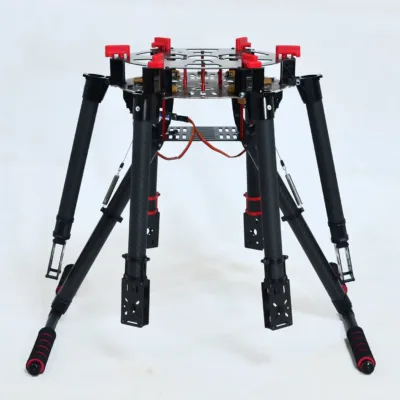
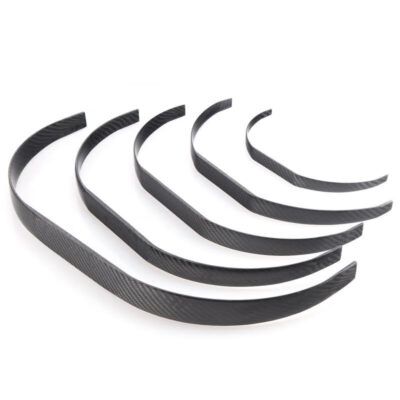
4.Landing Gear:
Advantages: Landing gear plays a vital role in absorbing the impacts of takeoff and landing, while also withstanding vibrations during operation—so it requires materials that combine exceptional toughness and strength. Carbon fiber prepregs perform exceptionally well in these conditions, offering reliable impact resistance and long-lasting durability under varying loads throughout repeated usage cycles. At the same time, their lightweight nature helps reduce the overall aircraft weight, contributing to improved efficiency without compromising safety or performance.
Application method: Using advanced processes such as high-temperature molding, we carefully craft landing gear components from these high-performance composites. Each part is then precisely assembled and calibrated to ensure consistent quality and dependable functionality—delivering reliable performance when it matters most.
6.Contact Us