


PRODUCT
HOST PRODUCT


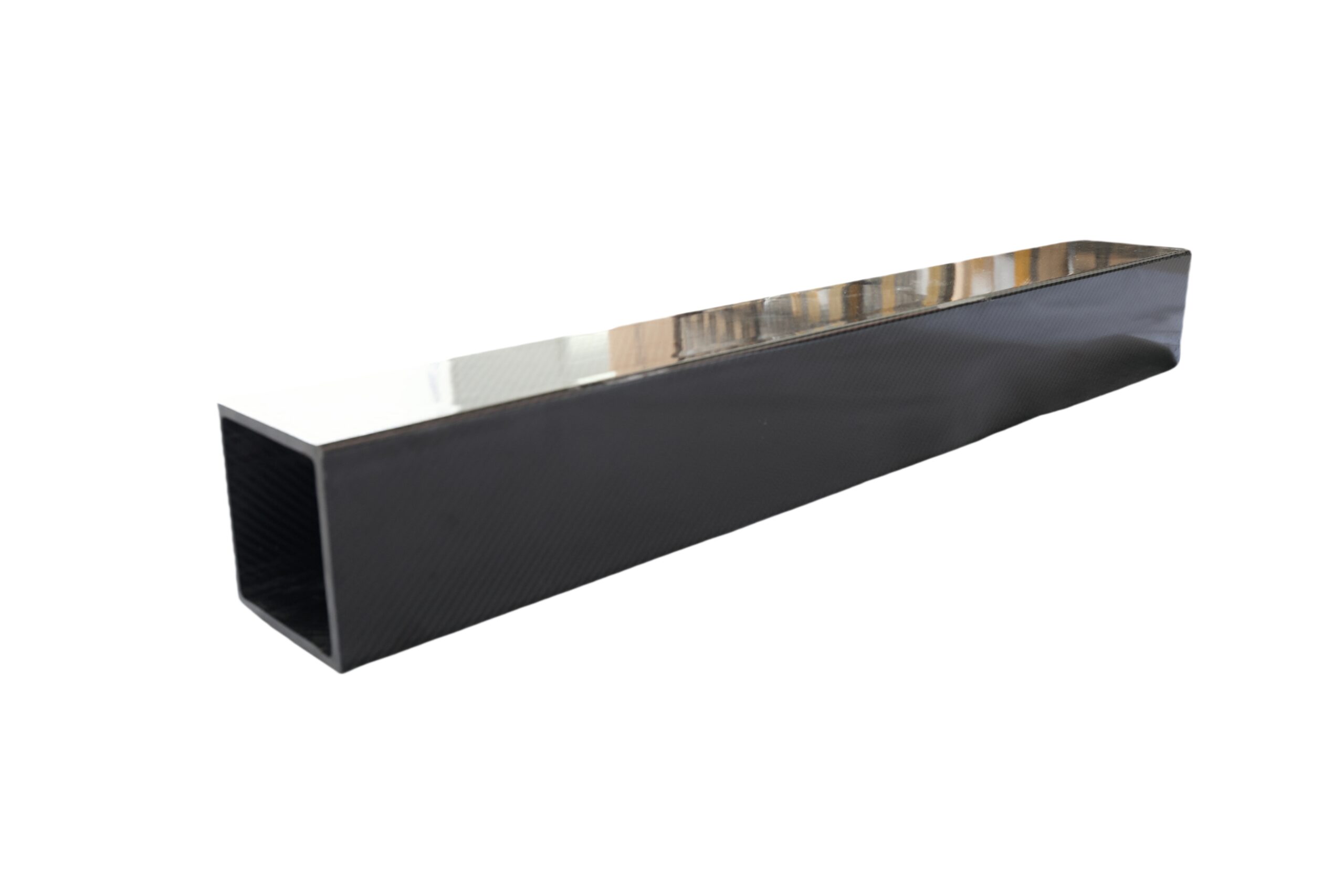

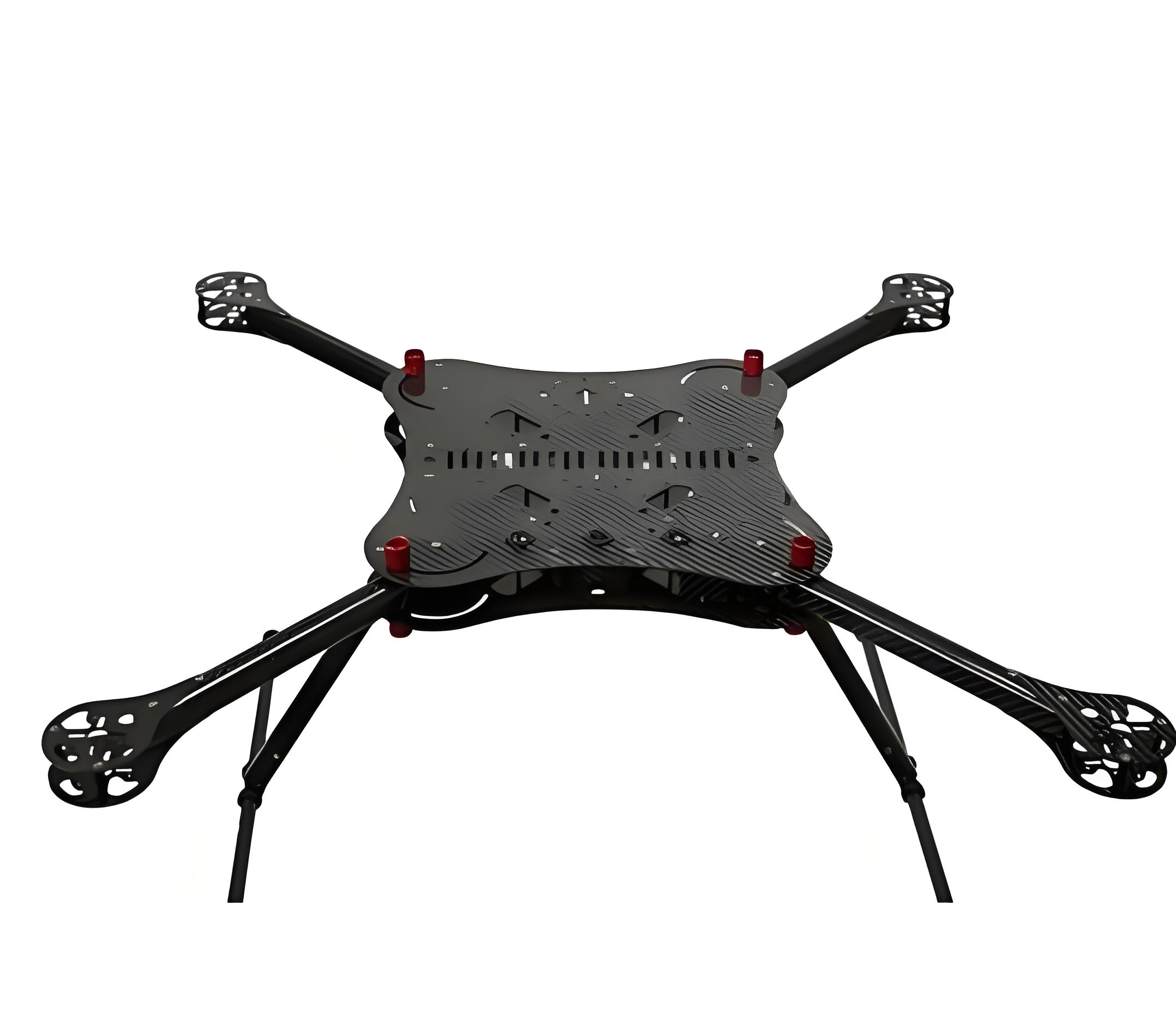
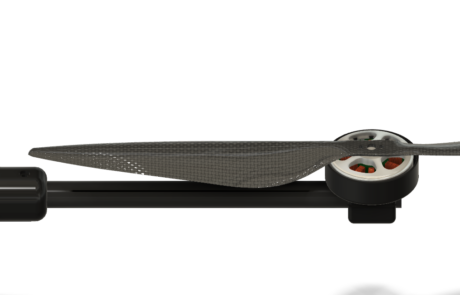

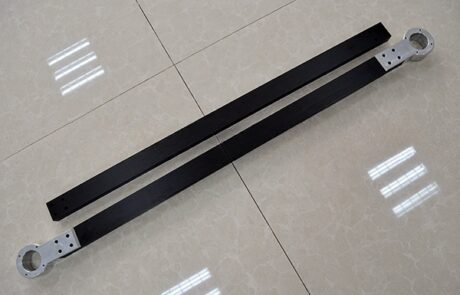
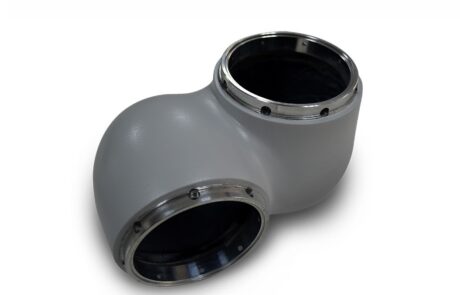
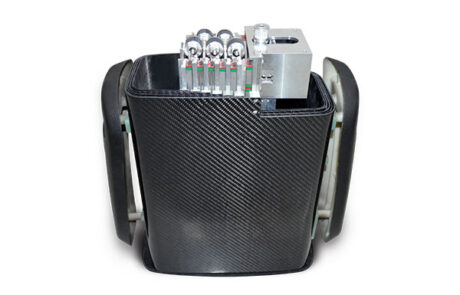
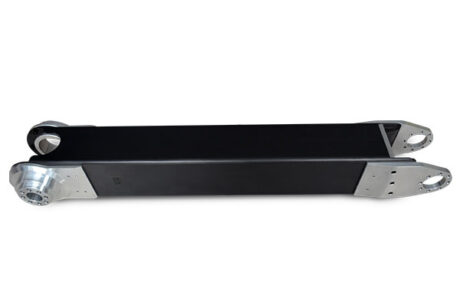


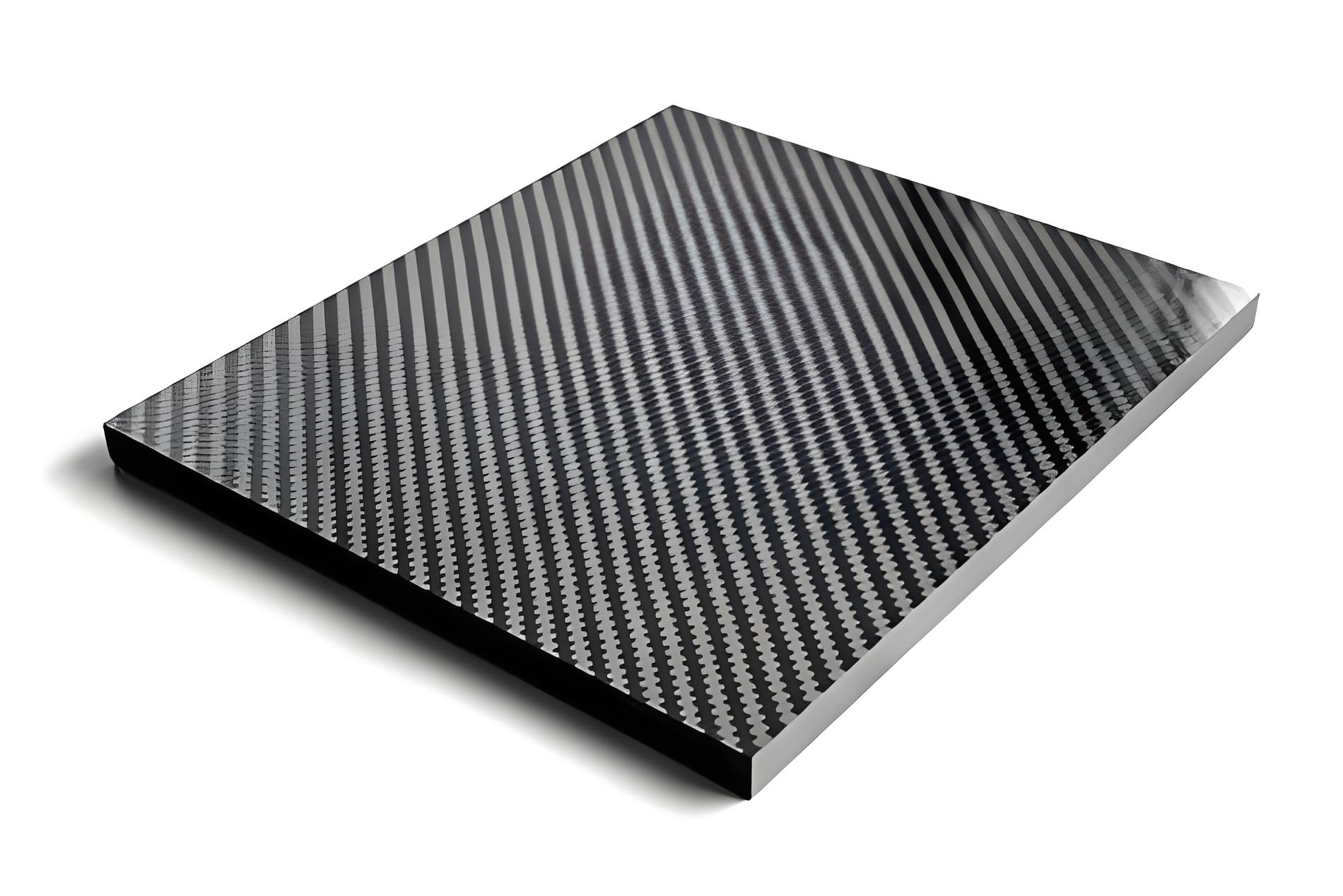


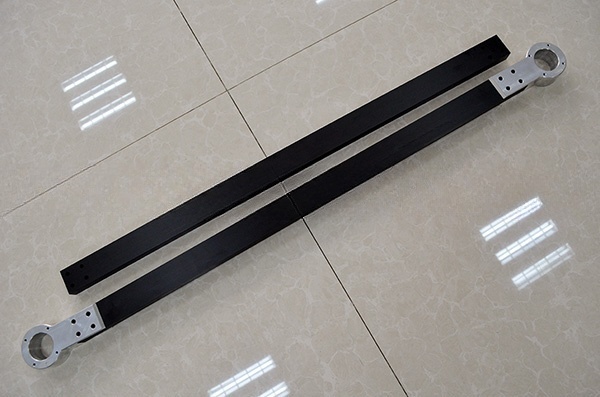
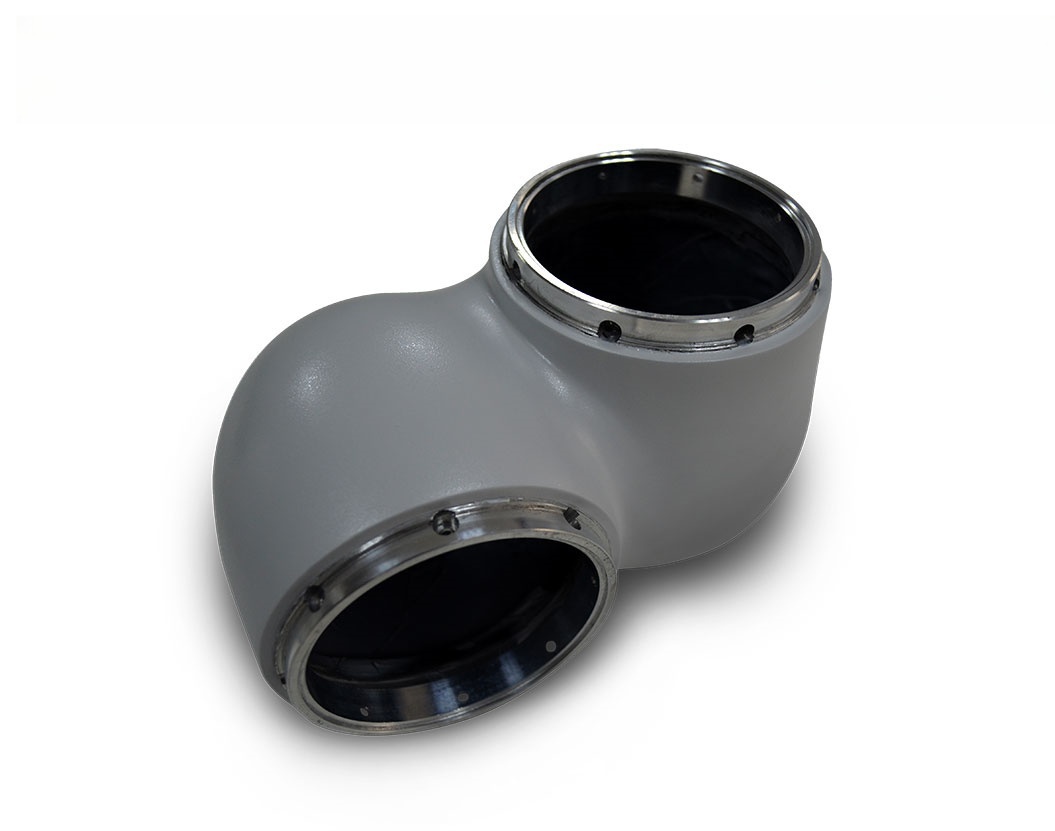
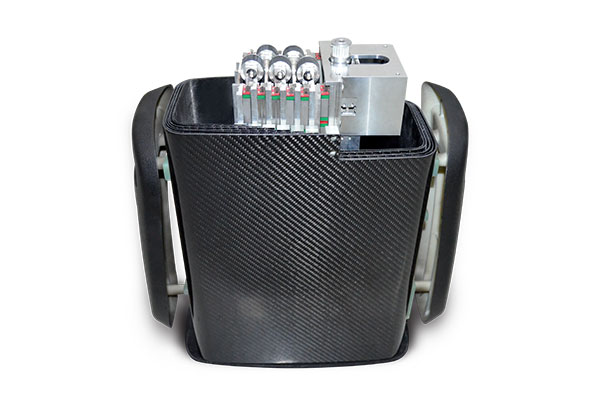
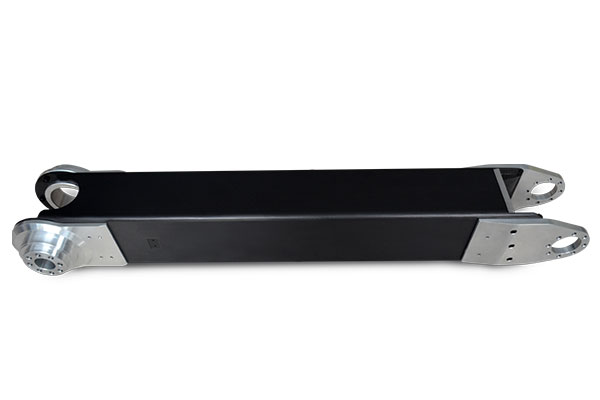
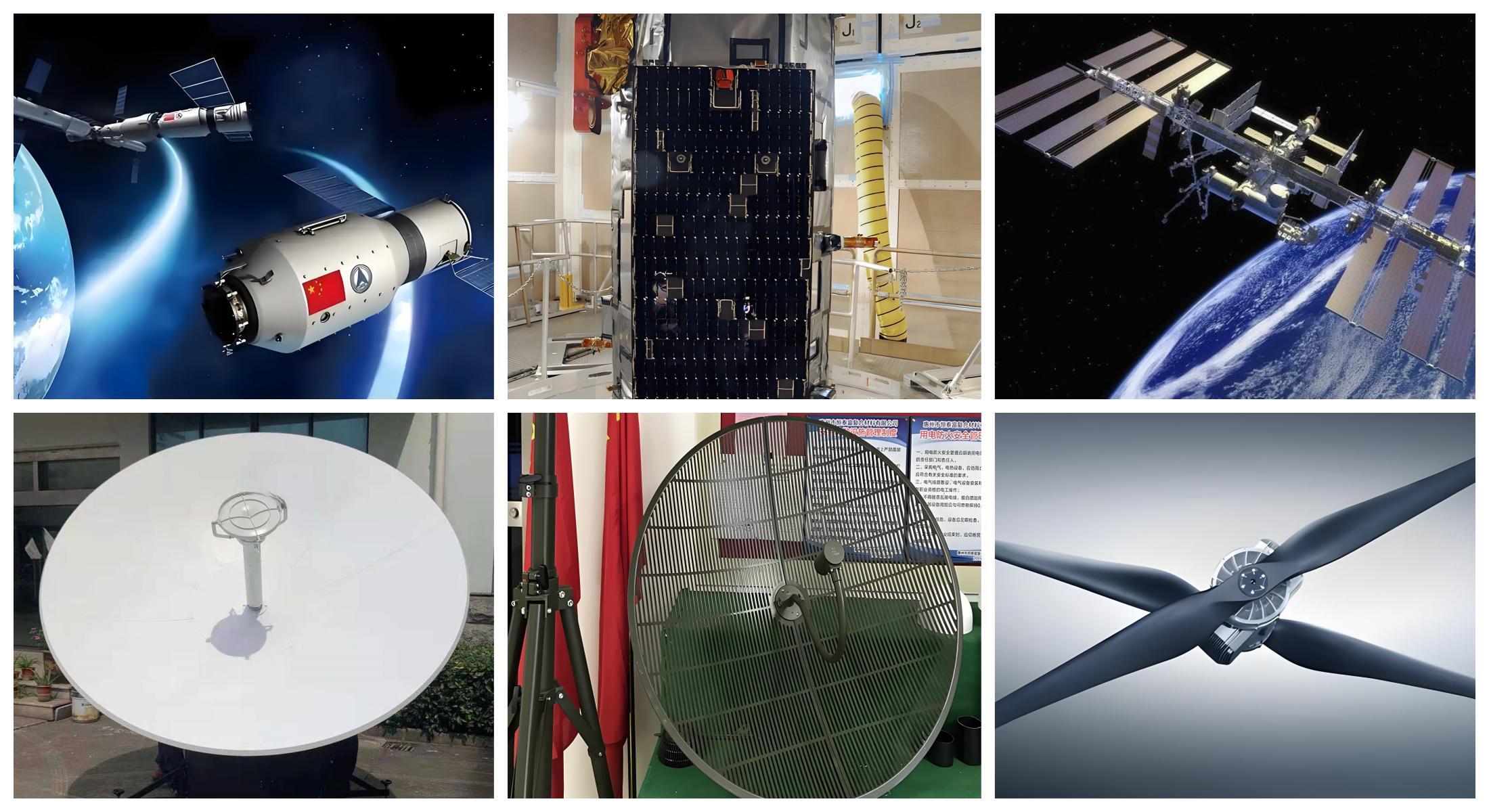
In recent years, the products of Shengjie Company have found extensive applications in the aerospace field and have become one of the primary areas for the company’s growth. In this ever-evolving domain of aerospace engineering, technological advancements are continuously reshaping our perspectives on aircraft design and manufacturing. Among the many groundbreaking innovations that have significantly transformed the aerospace landscape, composite materials stand out as unsung heroes behind today’s stylish, efficient, and high-performance aircraft. From reducing fuel consumption to enhancing structural integrity, as well as providing corrosion resistance and durability, carbon fiber composites have proven to be essential materials for creating the next generation of aerial marvels.
Main Applications
Structural Components
Carbon fiber composite materials boast a wide range of applications within the aerospace industry. They are utilized in key structural components such as wings, fuselage parts, and tail structures—marking a significant departure from traditional materials. The remarkable strength-to-weight ratio inherent in these composites not only contributes to an overall reduction in weight but also ensures stability under high-stress conditions.
Advantages of Composite Materials in Aerospace
Aerodynamic Surfaces
The sleek and elegant designs characteristic of modern aircraft can be attributed to their extensive use of composite materials. Wings and control surfaces crafted from these composites play a crucial role in minimizing drag while optimizing both aerodynamic profiles and overall performance.
Interior Components
Within an aircraft’s interior, composite materials are employed to manufacture panels, floors, and seat structures. Their lightweight nature directly enhances payload capacity and fuel efficiency—making them vital for achieving an optimal balance between passenger comfort and economic feasibility.
Engine Components
Composite materials have made their way into critical functions within aircraft engines. Fan blades, casing components, and other elements are meticulously designed using these advanced materials due to their ability to withstand extreme temperatures while maintaining structural integrity. This not only boosts engine efficiency but also significantly reduces the overall weight of the aircraft.