


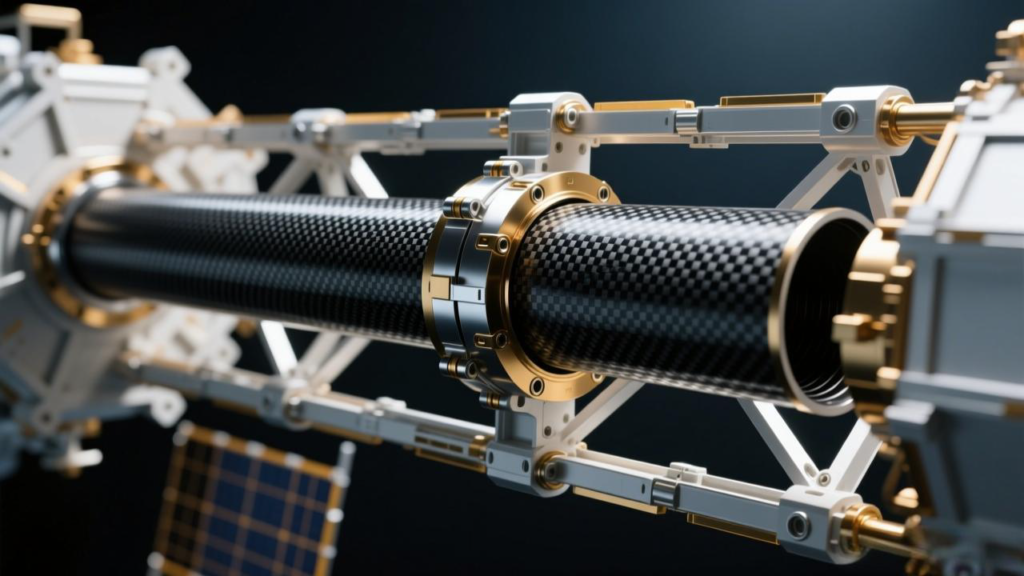
In recent years, Shengjie Company’s products have made meaningful contributions to the aerospace industry, becoming a key driver of the company’s growth. As aerospace engineering continues to evolve, new technological advancements are opening exciting possibilities in aircraft design and manufacturing. Among these innovations, composite materials have quietly emerged as essential enablers of modern aviation breakthroughs. Lightweight yet strong, carbon fiber composites play a vital role in improving fuel efficiency, enhancing structural performance, and offering excellent resistance to corrosion and wear—helping to bring tomorrow’s remarkable aircraft to life.
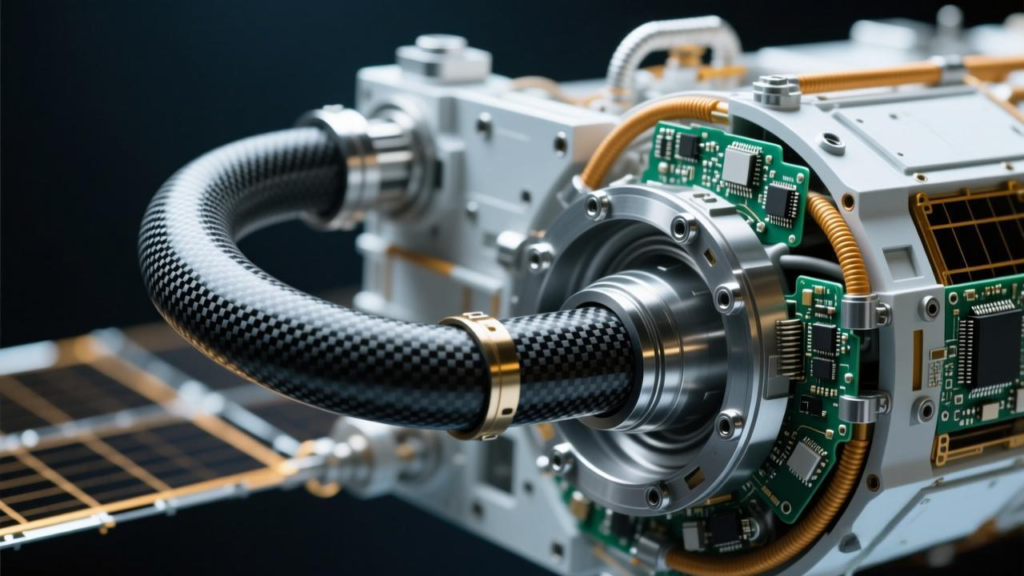
Main Applications
1. Structural Components
Carbon fiber composites have become a trusted choice in the aerospace industry, widely used in essential structural parts such as wings, fuselage sections, and tail assemblies—representing a thoughtful evolution beyond traditional materials. Thanks to their outstanding strength-to-weight ratio, these materials help reduce overall aircraft weight while delivering reliable performance even under demanding conditions.
2. Advantages of Composite Materials in Aerospace
Aerodynamic Surfaces
The smooth, elegant lines of modern aircraft are made possible by the smart use of composite materials. Wings and control surfaces made from composites not only enhance aerodynamic efficiency but also help reduce drag, contributing to improved flight performance and greater fuel economy.
Interior Components
Inside the cabin, composite materials are thoughtfully applied in panels, flooring, and seat structures. Their lightweight design supports increased payload capacity and better fuel efficiency—helping create a comfortable experience for passengers while supporting sustainable and cost-effective operations.
Engine Components
Composite materials now play an important role in aircraft engines, where precision and resilience matter most. Components like fan blades and engine casings are carefully engineered with these advanced materials, chosen for their ability to endure high temperatures without compromising strength. This helps improve engine performance, reduce weight, and support more efficient, reliable flights.
Contact Us