


CARBON FIBER PLATE
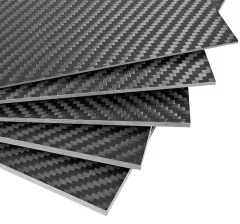
Shengjie Company specializes in producing a wide range of carbon fiber plates in various specifications, with over 90% tailored to meet our customers’ unique needs. Thanks to our commitment to high quality and competitive pricing, our products have been warmly welcomed and widely used in industries such as aerospace, automotive, construction, and sports equipment, both domestically and internationally.
PARAMETERS
Fiber Tape: 3K,12K Twill/Plain Thickness: 0.5-30mm
Tensile Strenth: >=3000MPa Tensile Modulus: >=210GPa
Flexural Strenth: >=1500MPa Surface: Glossy,Matte
Applications
1.AERO SPACE
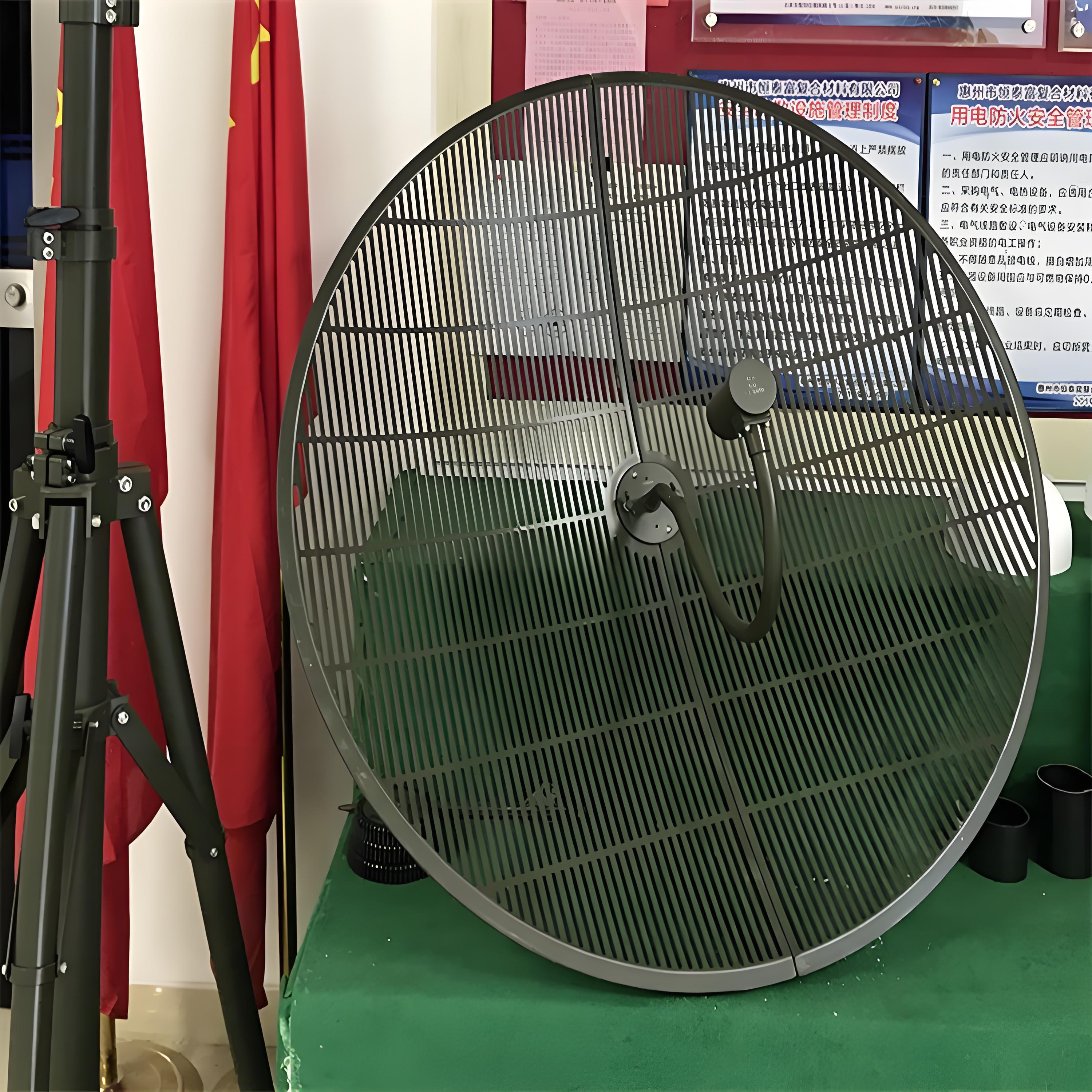
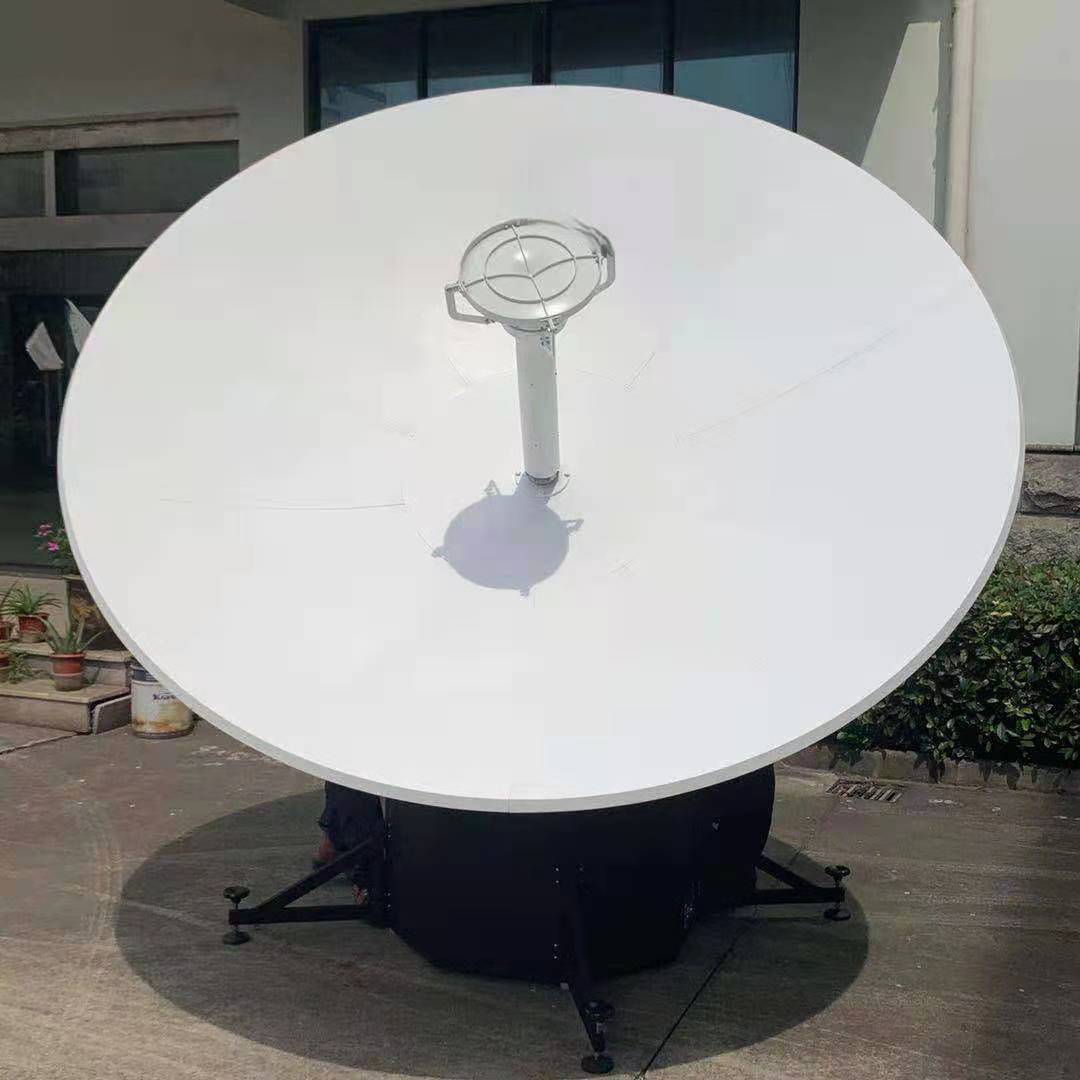
Thanks to their lightweight and high-strength properties, carbon fiber sheets are widely used in the structural components of aircraft and spacecraft, including fuselages, wings, and tail sections. By incorporating carbon fiber materials, manufacturers can significantly reduce aircraft weight, helping to extend flight range and enhance payload capacity—all while maintaining outstanding performance and safety.

2.AUTOMOTIVE INDUSTRY
In the automotive industry, carbon fiber sheets are thoughtfully used to craft key components like car bodies and chassis, helping to reduce vehicle weight while improving fuel efficiency and power performance. Many manufacturers also choose carbon fiber materials for high-performance racing cars, where every detail matters—enhancing speed, handling, and the overall driving experience with confidence and precision.


3.CONSTRUCTION ENGINEERING
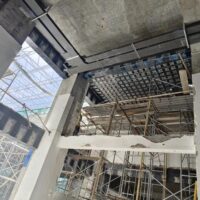
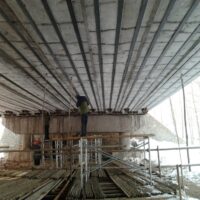
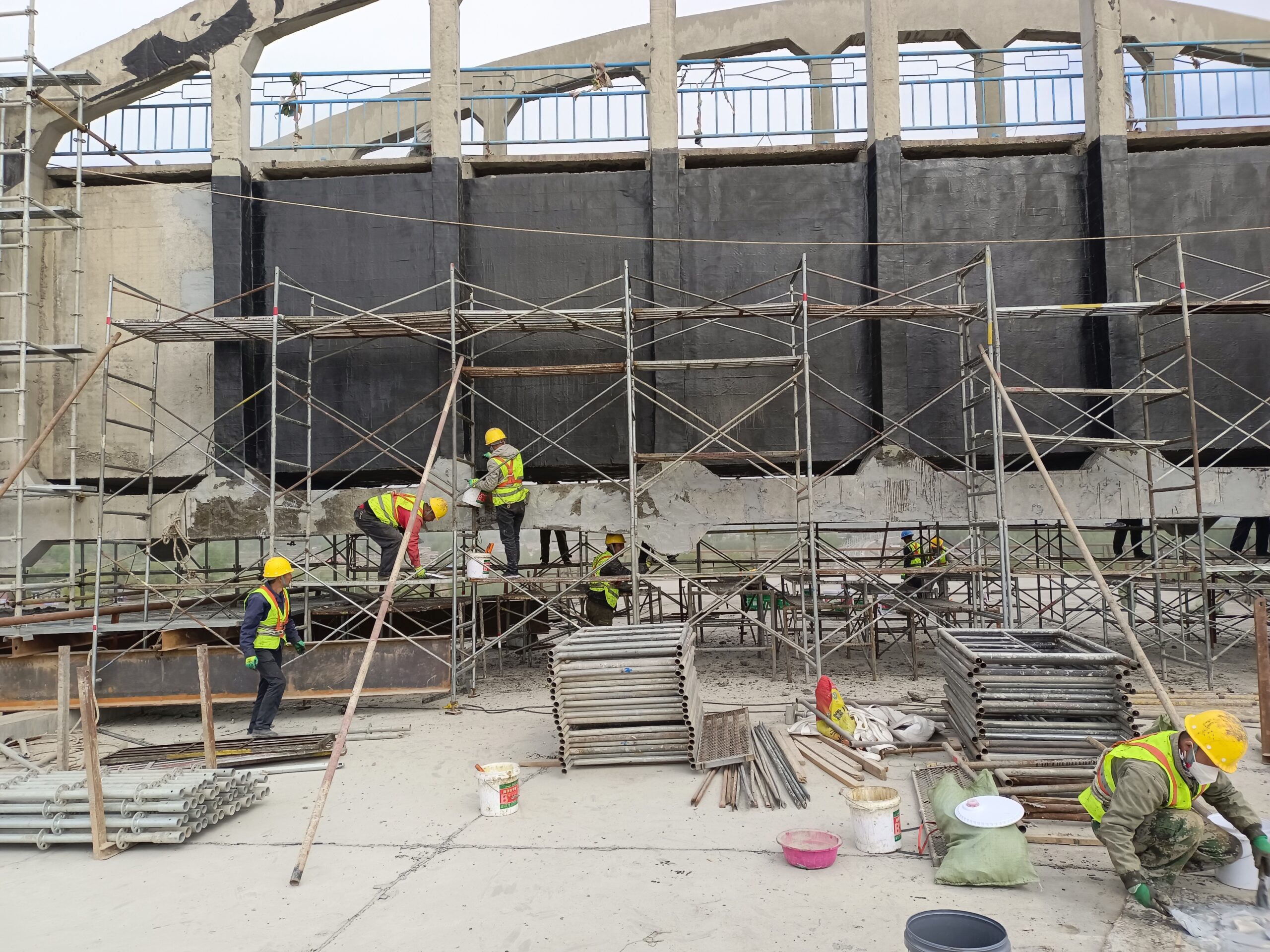
Carbon fiber plates are widely used to strengthen and repair important building structures, including bridges, tunnels, and the beams and columns of buildings. Their lightweight yet high-strength properties not only make construction easier and more efficient but also help significantly extend the service life of these structures—offering lasting protection and peace of mind for communities and engineers alike.
4.SPORT EQUIPMENTS
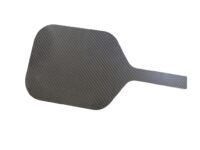
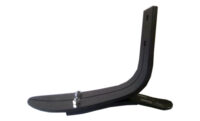
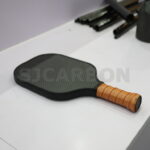
Carbon fiber plates are excellent choices for crafting high-end sports equipment, including tennis rackets, golf clubs, and bicycle frames. Their lightweight yet incredibly strong properties help athletes perform at their best, enhancing both power and precision while bringing greater enjoyment to the sport.
5.ELECTRONIC DEVICES
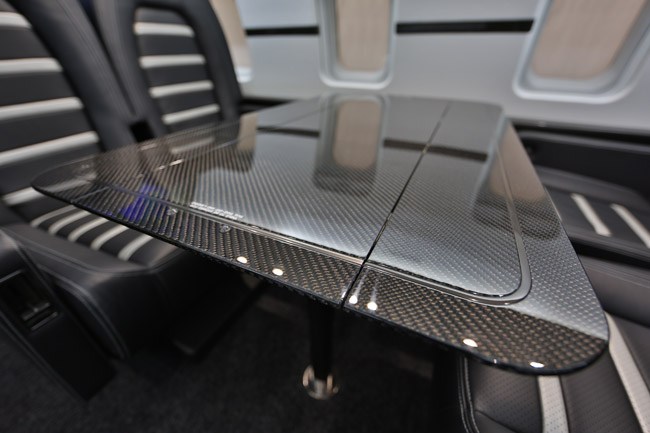
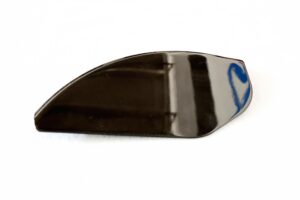
In electronic devices, carbon fiber sheets are thoughtfully used to create casings and frames, offering reliable structural protection and efficient heat dissipation. Additionally, their electromagnetic shielding capability helps improve the device’s electromagnetic compatibility—contributing to smoother, more stable performance in everyday use.

Technic Sheet
Product Model |
CF-100 (General-Purpose Type) |
CF-200 (High-Strength Type) |
CF-300 (Lightweight Type) |
Parameter Description |
| Base Material | T700 Carbon Fiber + Epoxy Resin | T800 Carbon Fiber + Modified Epoxy Resin | T1100 Carbon Fiber + Low-Viscosity Epoxy Resin | The carbon fiber grade determines the basic strength, and the resin type affects temperature resistance and corrosion resistance. |
| Fiber Volume Content | 60±2% | 65±2% | 58±2% | Higher volume content results in stronger mechanical properties (typical range: 55%-70%). |
| Density | 1.75 g/cm³ | 1.80 g/cm³ | 1.60 g/cm³ | The lightweight model reduces density through optimized fiber arrangement, suitable for weight-sensitive scenarios. |
| Mechanical PropertiesCore performance indicators reflecting the product’s load-bearing and anti-deformation capabilities. | ||||
| – Tensile Strength | ≥3200 MPa | ≥4200 MPa | ≥3800 MPa | The ability of the material to resist tensile failure |
| – Tensile Modulus | ≥210 GPa | ≥290 GPa | ≥250 GPa | The stiffness of the material to resist tensile deformation |
| – Flexural Strength | ≥2800 MPa | ≥3800 MPa | ≥3200 MPa | The ability of the material to resist bending failure, commonly used in structural support scenarios. |
| – Flexural Modulus | ≥190 GPa | ≥270 GPa | ≥230 GPa | The stiffness of the material to resist bending deformation. |
| – Impact Strength | ≥65 kJ/m² | ≥75 kJ/m² | ≥70 kJ/m² | The ability of the material to resist impact loads; kJ/m² (kilojoule per square meter) is the unit of impact performance. |
| Dimensional Specifications Customizable according to customer requirements; the following are standard specifications. | ||||
| – Standard Thickness | 1-20 mm | 1-30 mm | 0.5-15 mm | The lightweight model supports thinner specifications to meet the needs of thin-walled structures. |
| – Standard Width | 1000 mm | 1200 mm | 1000 mm | Maximum customizable width ≤2000 mm (production capacity needs to be confirmed). |
| – Standard Length | 2000 mm | 3000 mm | 2000 mm | Can be cut on demand; maximum length supports up to 12000 mm (transportation restrictions need to be considered). |
| Temperature Resistance Performance Reflects the stability of the product in different temperature environments. | ||||
| – Glass Transition Temperature (Tg) | ≥120℃ | ≥150℃ | ≥130℃ | The critical temperature at which the resin softens; higher Tg indicates stronger high-temperature resistance. |
| – Long-Term Service Temperature | -40℃~80℃ | -60℃~120℃</td | ||
contact us